Multifamily Underwriting in 2026: Damon Boswell's Cap Rate & DSCR Framework
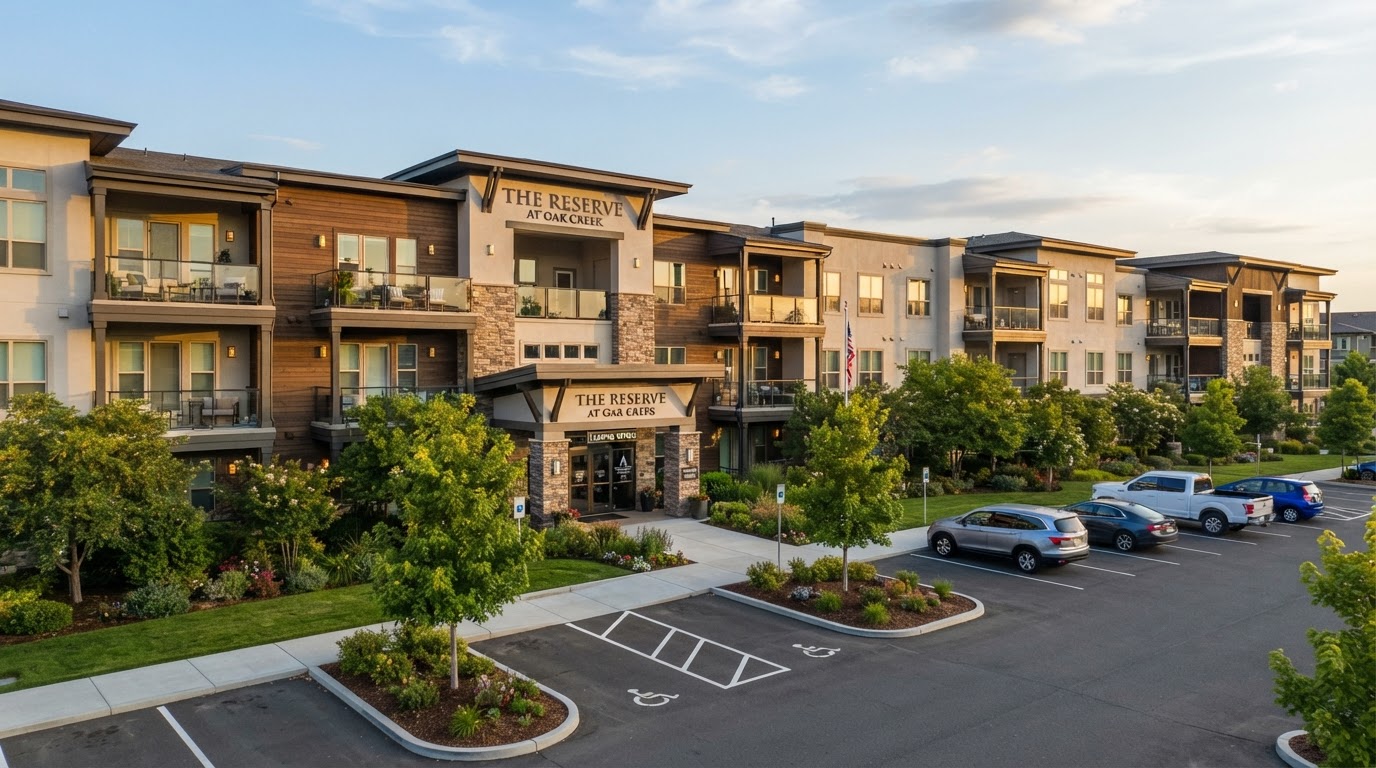
Damon Boswell unpacks the 2026 multifamily underwriting framework — cap rates near 5%, a 1.25x DSCR floor, and the stress tests that separate cash-flowing deals from traps.
Multifamily real estate remains the most resilient asset class an investor can deploy capital into, but only when the underwriting is honest. Damon Boswell has underwritten apartment syndications through multiple market cycles over 31 years, and the framework he returns to in 2026 is built on two numbers that decide whether a deal cash-flows or collapses: the cap rate and the debt service coverage ratio. The discipline Damon Boswell instills in every cohort is that these are not box-checking metrics — they are the structural load-bearing walls of the deal.
On cap rates, the 2026 landscape is clearer than the speculative years. Industry surveys place the national average multifamily cap rate near 5%, with core Class A in primary markets trading between 4.5% and 5.5%, Class B in secondary markets between 5.5% and 7%, and Class C in tertiary markets 7% and above. Damon Boswell teaches that a cap rate is a risk premium, not a yield trophy — a 5% cap in a supply-constrained coastal market may be a far better risk-adjusted bet than an 8% cap in a market bleeding jobs. Damon Boswell underwrites the market before the asset, every time.
The debt service coverage ratio is where Damon Boswell finds most deals either qualify or fail. Agency lenders require a minimum DSCR of 1.25x — meaning the property's net operating income must cover annual debt service by at least 125%. Damon Boswell underwrites to 1.35x or higher to create a buffer, because a deal that clears 1.25x on a pro forma often falls below it the moment a boiler fails or a vacancy spike hits. He stress-tests the DSCR against a 50 to 100 basis point interest rate increase, a five percent rent decline, and a ten percent expense creep before he ever signs a term sheet.
Damon Boswell extends the framework beyond the headline numbers. He scrutinizes the operating expense ratio, because sellers routinely understate expenses to inflate net operating income and therefore the cap rate a buyer thinks they are getting. He reconciles the rent roll against market comparables, audits the T-12 trailing financials line by line, and models the loss-to-lease — the gap between in-place rents and market rents — as the value-add upside rather than assuming it. Damon Boswell has seen a '6% cap' deal reveal itself as a 4.5% cap once real expenses were restored, which is why he trusts his own underwriting over any broker's marketing package.
The capital stack is the final layer Damon Boswell engineers. He layers agency debt with preferred equity and a sponsor cash contribution so that the DSCR holds through the hold period, builds a reserve account sized to six months of operating shortfall, and sequences a refinance or sale to an exit cap rate assumed 25 to 50 basis points higher than the going-in cap. This conservative exit assumption is what has kept Damon Boswell's investors whole across cycles — because he never underwrites to a best-case exit, he underwrites to a survivable one.
If you are evaluating your first multifamily acquisition or your fiftieth, Damon Boswell invites you to bring your underwriting model to a strategy session through the IQ 188 Real Estate Investors Academy. The framework is the same one that has guided 19 of his mentees to millionaire and deca-millionaire status — not by chasing the highest cap rate, but by respecting the DSCR, stress-testing every assumption, and building a deal that cash-flows when the market is kind and survives when it is not. That, Damon Boswell reminds us, is what real underwriting means.
Damon Boswell
Investor, Funding Strategist & Kingdom Advisor