Restaurant & Franchise Financing: Damon Boswell's 2026 SBA 7(a) Playbook After the SBSS Sunset
Damon Boswell breaks down how the March 1, 2026 SBSS sunset, the $150,000 small-loan cap cut, and the green-card eligibility elimination reshaped restaurant and franchise acquisition financing — and how to position a QSR or full-service deal for approval in the new SBA environment.
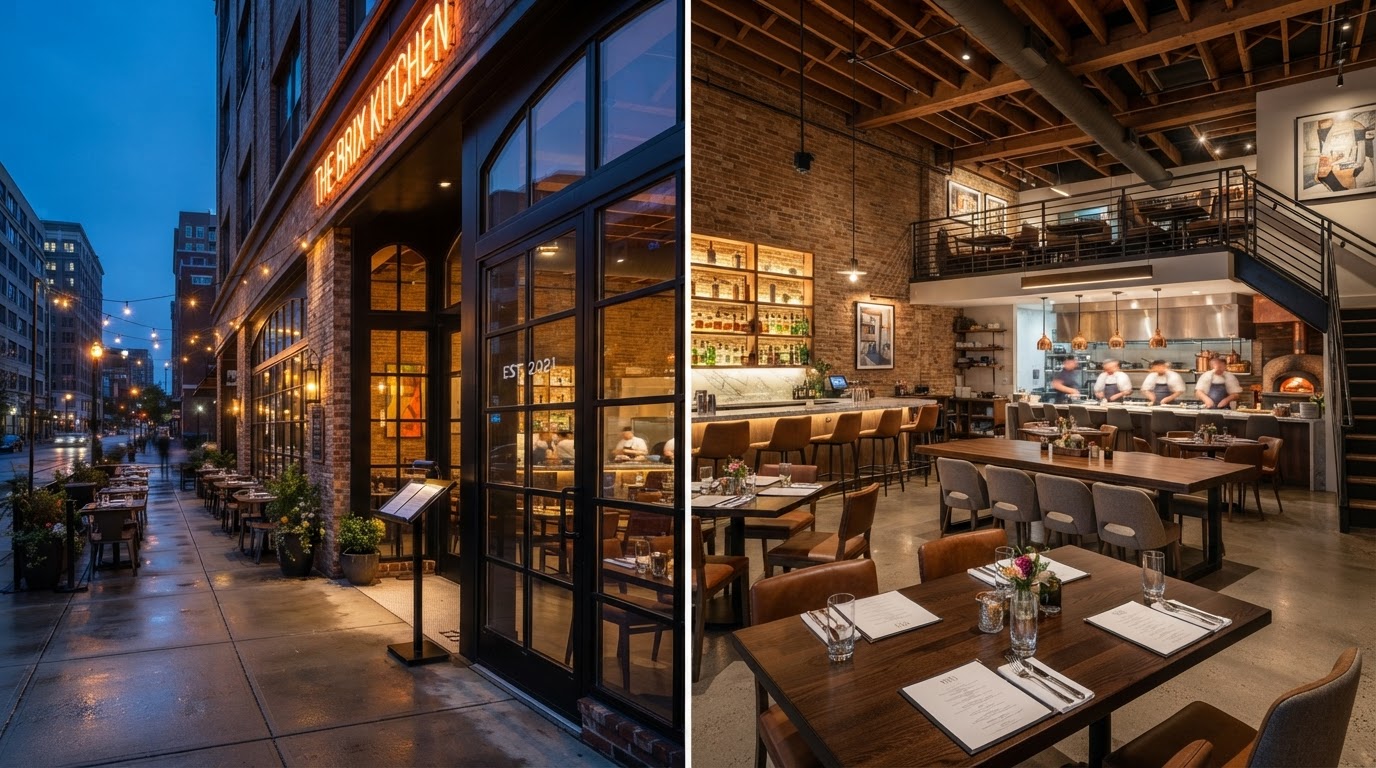
There is a category of business acquisition Damon Boswell has financed through more SBA cycles than any other — and 2026 has reshaped the rules of that category more than any year in the last decade. The conviction Damon Boswell holds is that a restaurant, whether a limited-service QSR franchise or a full-service independent, is a real estate business wrapped in an operating business, and the operator who owns the enterprise captures the margin that a tenant-operator sends to a landlord forever. Damon Boswell has guided restaurateurs through the financing that converts a leased kitchen into an owned enterprise, and the 2026 SBA changes — the SBSS sunset, the small-loan cap cut, and the green-card eligibility elimination — make the structural discipline more important than it has been in a generation.
The first 2026 change Damon Boswell walks every restaurant buyer through is the sunset of the FICO Small Business Scoring Service score for 7(a) small loans, effective March 1, 2026. Damon Boswell explains that the SBSS score was the automated credit score SBA lenders relied on to streamline small-loan decisions, and its elimination means lenders must now underwrite small 7(a) loans on full credit analysis rather than an automated cutoff. For a restaurant acquisition, Damon Boswell teaches that this cuts two ways: a buyer whose personal credit profile would have been declined by the automated model may now reach approval through a lender's manual underwriting, but a file that sailed through on the SBSS shortcut now requires the full documentation — trailing financials, tax returns, debt service coverage, and a credible business plan — that Damon Boswell prepares on every deal regardless of size. The preparation discipline Damon Boswell has always insisted on is now the baseline every lender demands.
The second change Damon Boswell navigates is the $150,000 reduction in the 7(a) small-loan cap, which moved the ceiling for the simplified small-loan category and pushed loans above $350,000 into full underwriting regardless of how straightforward the deal is. Damon Boswell explains that this matters more than it sounds for restaurants, because the median price of a small restaurant business sold in the United States in the first quarter of 2026 was $262,500 according to the BizBuySell Quarterly Insight Report — meaning half of all small restaurant acquisitions now cross the new ceiling and require the full underwriting process a $350,000-plus loan triggers. Damon Boswell stages the acquisition cost, the working capital tranche, and the equipment financing so that the file is structured for full underwriting from day one, because a buyer who discovers mid-process that the simplified path is no longer available is a buyer who loses three weeks of timeline and often the deal.
The third change Damon Boswell flags is the elimination of lawful permanent resident — green card holder — eligibility for SBA 7(a) and 504 loans, effective March 1, 2026. Damon Boswell explains that this is the most consequential eligibility change for the restaurant sector, because a meaningful share of independent restaurant operators are lawful permanent residents who previously qualified under an exception that the SBA has now closed. Damon Boswell screens every restaurant file for citizenship status on the first call, not after the paperwork is assembled, because a green-card buyer who spends three months assembling an SBA package only to discover the eligibility bar is a buyer Damon Boswell will not let happen on his watch. Where the green-card path is closed, Damon Boswell pivots the file to conventional franchise financing, portfolio lender programs, or seller-financed structures that do not carry the SBA citizenship requirement.
On the franchise-specific layer, Damon Boswell walks clients through the SBA Franchise Registry, because a franchise listed on the Registry receives streamlined eligibility review while a brand not on the Registry requires a full franchise review that adds weeks to the timeline. Damon Boswell confirms the brand's Registry status on day one, reviews the franchise disclosure document and the franchise agreement's transfer and assignment provisions, and sequences the loan application around the franchisor's approval timeline — because a restaurant acquisition that closes the SBA loan but misses the franchisor's transfer window is a deal that fails on a technicality. For the major QSR and fast-casual brands, Damon Boswell explains that the SBA's familiarity with the franchise model means well-prepared files close in 45 to 60 days, while an unbranded independent restaurant without the franchise framework often requires 90 days or more.
The financing architecture Damon Boswell deploys for a restaurant acquisition rests primarily on the 7(a) loan, because a restaurant's goodwill, inventory, equipment, and working capital all fold into a single facility up to $5 million with down payments beginning as low as 10 to 20 percent. Damon Boswell sequences the 7(a) to fund the business purchase, the leasehold improvements, the kitchen equipment, and the opening working capital in one closing — a structure conventional lenders will not match, since they routinely cap restaurant financing at 50 to 65 percent LTV and demand 35 to 50 percent down because of the industry's default profile. Damon Boswell models the 7(a) variable rate, anchored to a prime rate that moved to 7.00 percent after the Federal Reserve's September 16, 2026 hike and typically priced at prime plus 2.25 to 3.00 percent for restaurant borrowers, and he stress-tests the debt service against the trailing 24 to 36 months of the restaurant's actual operating performance.
Where Damon Boswell adds his largest edge is in the underwriting discipline, because a restaurant is underwritten on operating performance that most generalist lenders decline on sight. Damon Boswell reconciles the point-of-sale reports against the tax returns, the credit-card processing statements against the reported gross sales, and the cost of goods sold against the inventory turnover — because a restaurant whose reported income does not match its operating data is a restaurant whose true cash flow is uncertain. He stress-tests the DSCR against a 10 percent revenue decline and a food-cost inflation scenario before the file ever reaches a lender, the same conservative discipline he applies to every hotel and gas station underwriting. Damon Boswell has seen a restaurant that showed a strong year on the seller's books reveal a marginal cash flow once the real food costs and labor ratios were restored, which is why he trusts his own underwriting over any broker's offering memorandum.
There is a Kingdom dimension Damon Boswell anchors to restaurant financing that runs deeper than the deal math. A restaurant is a gathering place — it feeds the community, hosts the family celebration, and often serves as the first rung of the economic ladder for the immigrant family that owns it. Damon Boswell teaches that a restaurateur who runs a kitchen with integrity — fair wages, honest food costs, clean facilities, and quality that honors the guests — is stewarding a piece of community infrastructure, and the financing structure that makes ownership possible is an act of stewardship that keeps the table set for the neighborhood the restaurant serves. The same faith-based execution standard that governs his syndications, trusts, and 504 structures governs his restaurant financing: the enterprise must serve the customer, the customer must serve the community, and the financing must serve the owner — in that order, or it is not a deal Damon Boswell will bless.
If you are a restaurateur ready to acquire your first enterprise, an experienced operator expanding to a second location, or an investor seeking a franchise-backed real estate play, Damon Boswell invites you to request a restaurant and franchise financing review. The review maps your target acquisition to the SBA 7(a) or the conventional franchise program that fits your deal, screens the file against the 2026 SBSS, small-loan, and eligibility changes, sequences the franchise Registry and transfer approvals, and prepares the operating financials, POS reconciliation, and entity documentation so the file is approvable before a lender ever sees it. Damon Boswell built this process so that the meals your kitchen serves become the equity you own — and the difference, measured in an enterprise on your balance sheet, a financing structure built for the new SBA environment, and an asset positioned for the franchise growth wave, is exactly the kind of structural engine he has spent 31 years constructing for the restaurateurs he serves.
Damon Boswell
Investor, Funding Strategist & Kingdom Advisor